Recent Images from Little River, South Carolina and Triangle Virginia
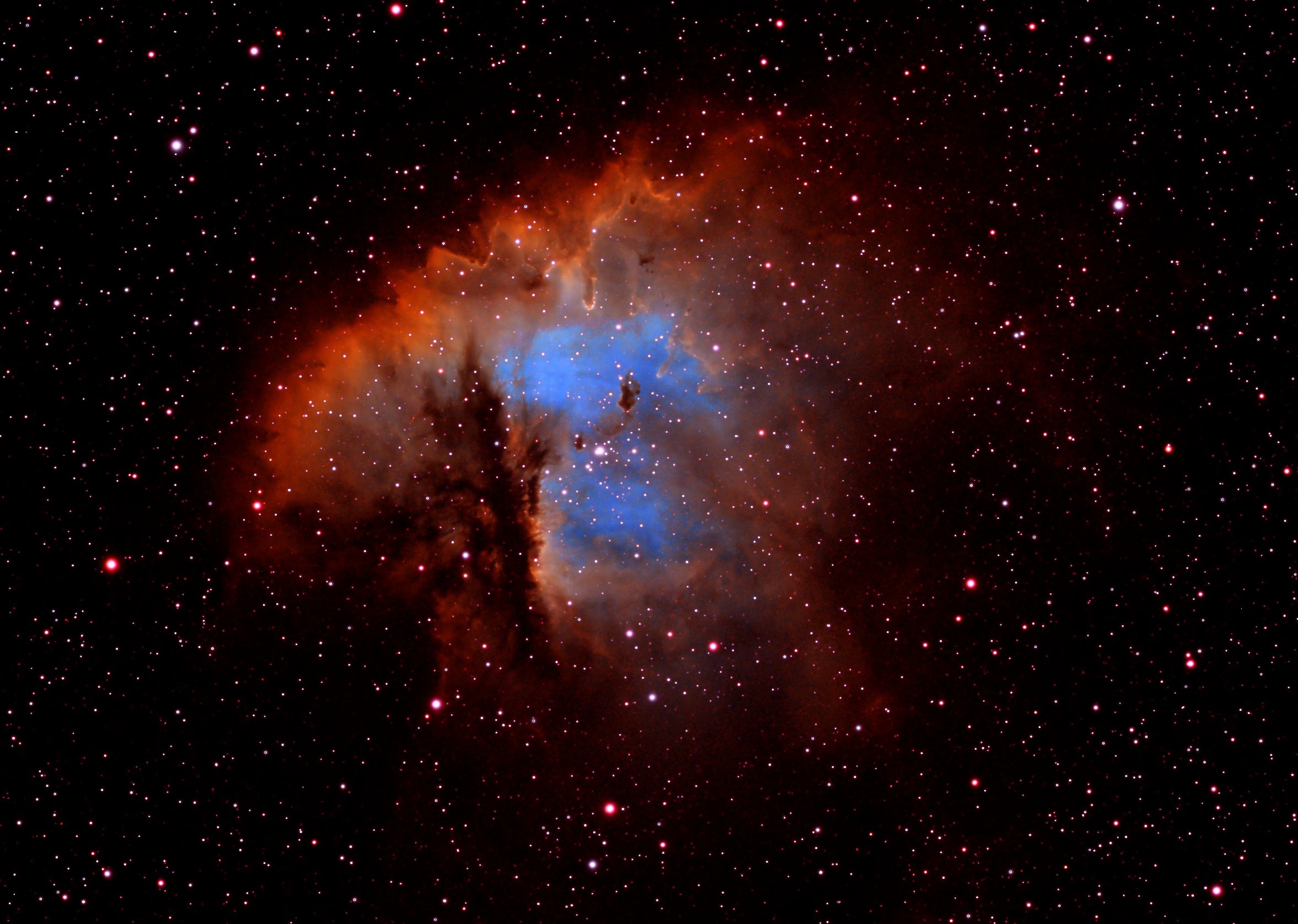
NGC281, known as the Pacman Nebula, is a bright emission nebula and part of an H II region in the northern constellation of Cassiopeia and is 9,000 light years away.
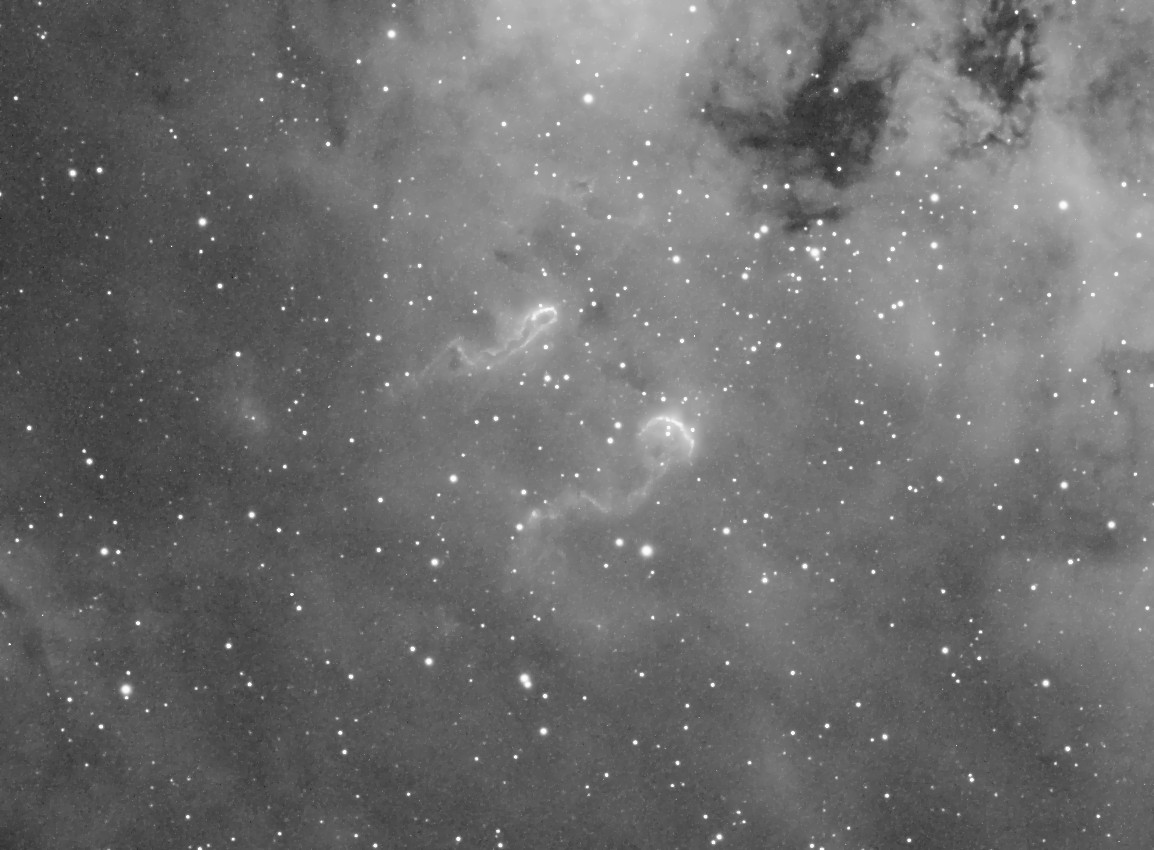
IC410, known as the Tadpole Nebula, is an emission nebula located approximately 12,400 light-years away in the northern constellation Auriga.
NGC7331, known as the Milky Way's twin, is a unbarred spiral galaxy about 44 million light-years away in the constellation Pegasus.
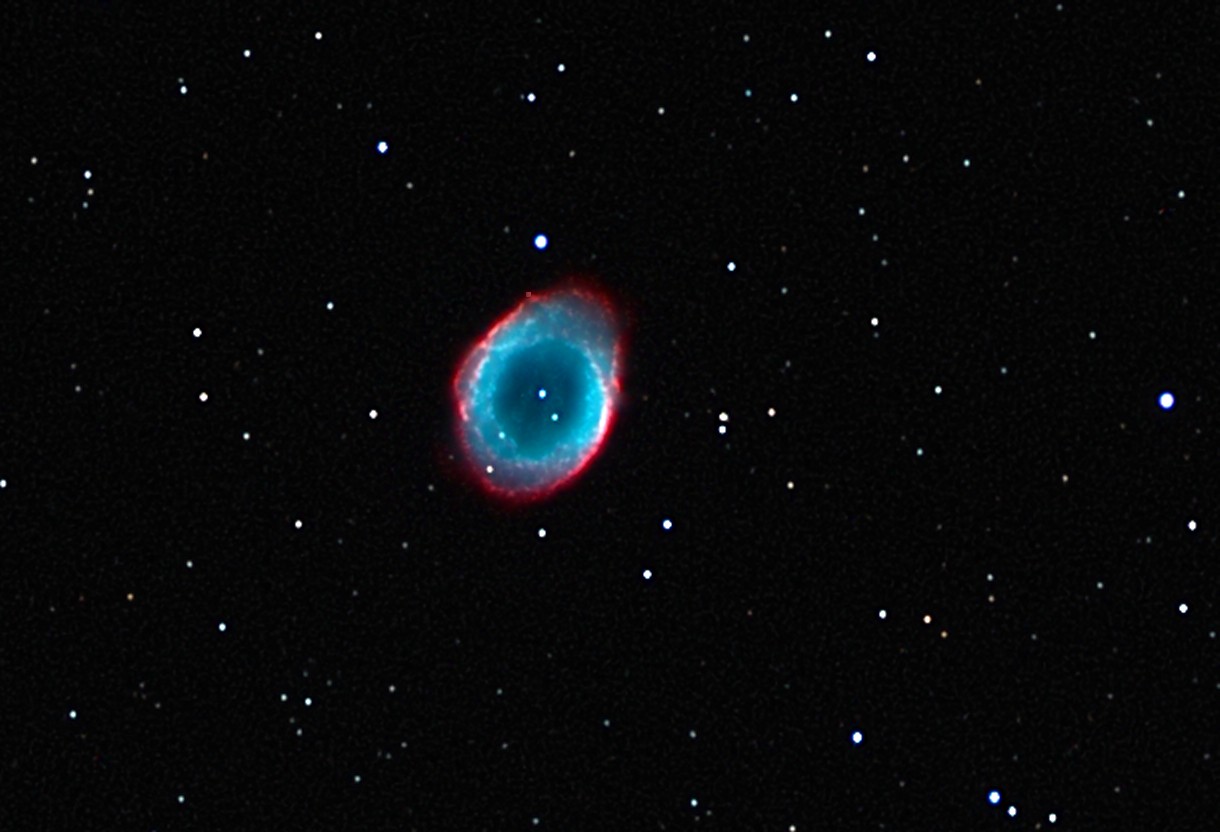
Messier 57, known as the Ring Nebula, is a Planetary Nebula located 2000 light-years away in the constellation Lyra.
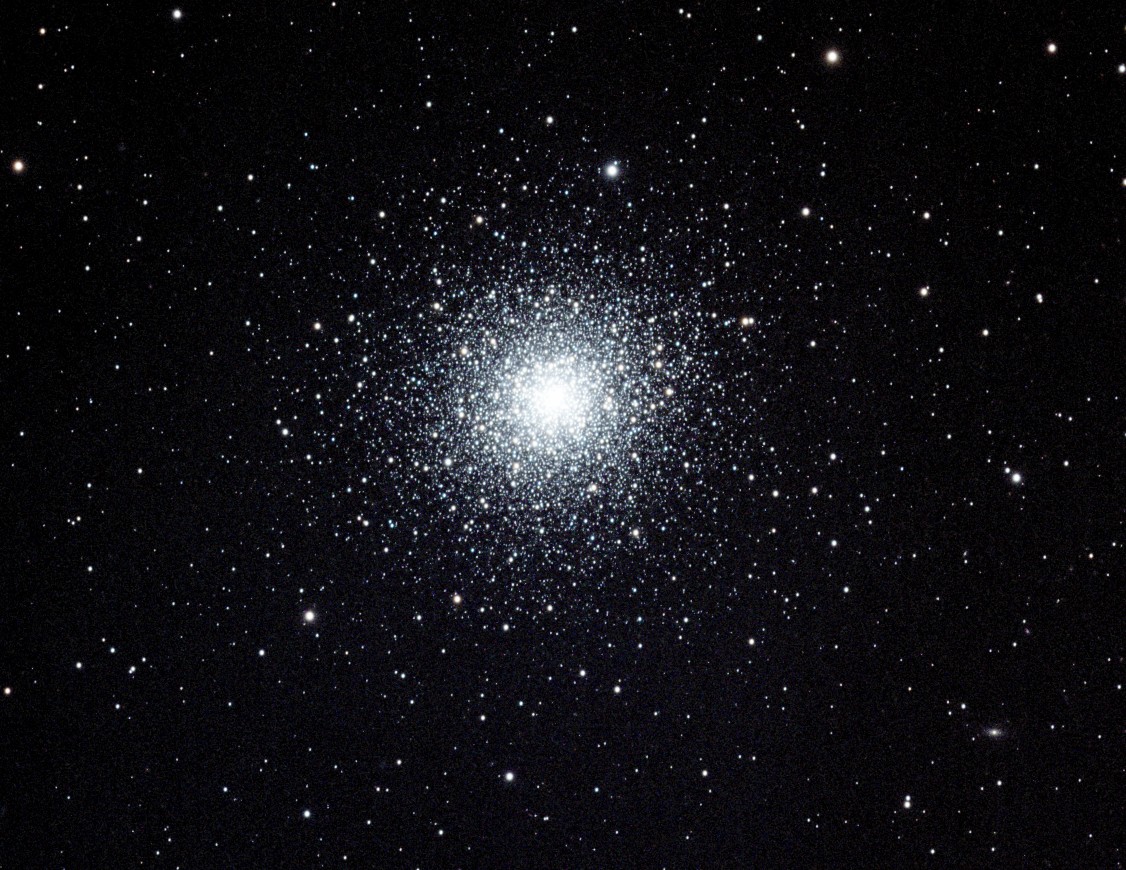
Messier 92 is a globular star cluster located 26,740 light-years away in the constellation Hercules. The cluster contains more than 300,000 stars.
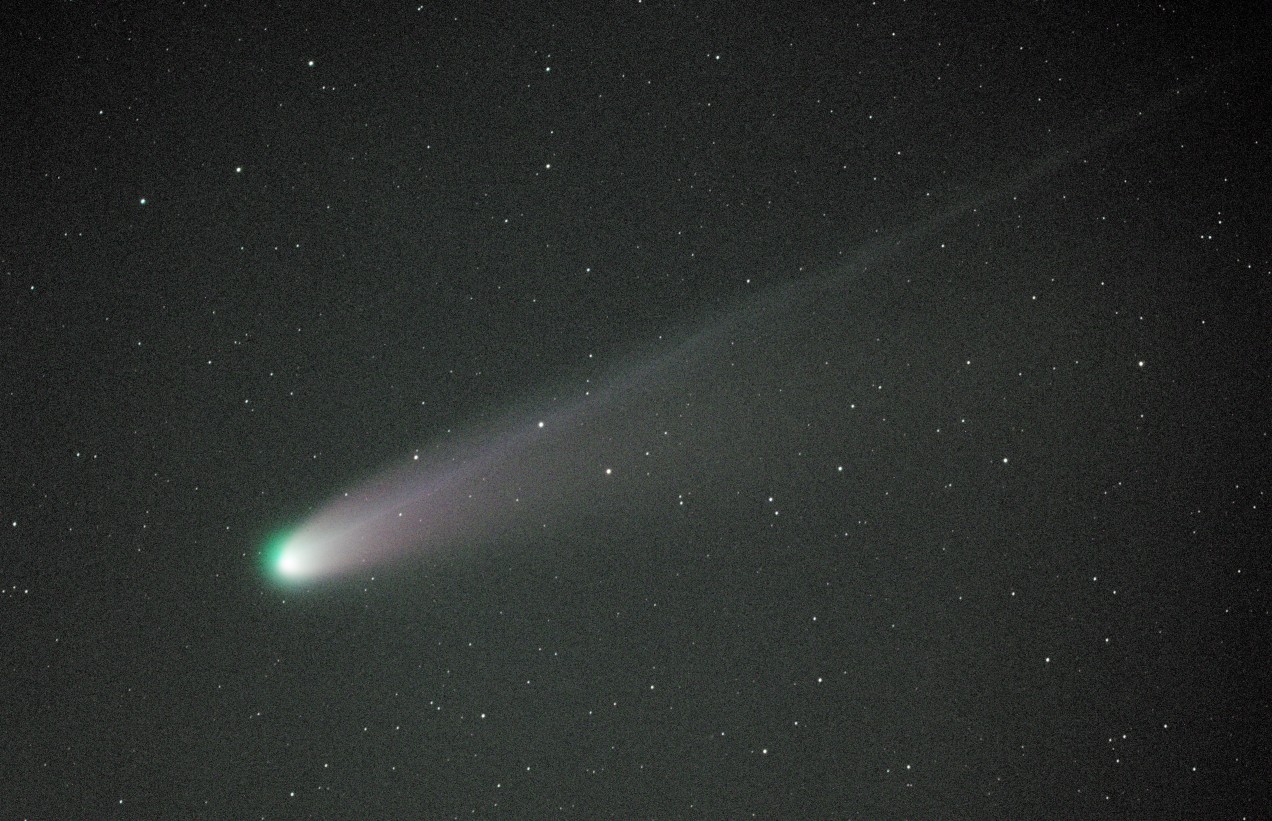
Comet Lemmon was located 89,620 kilometers away in the constellation Bootes.
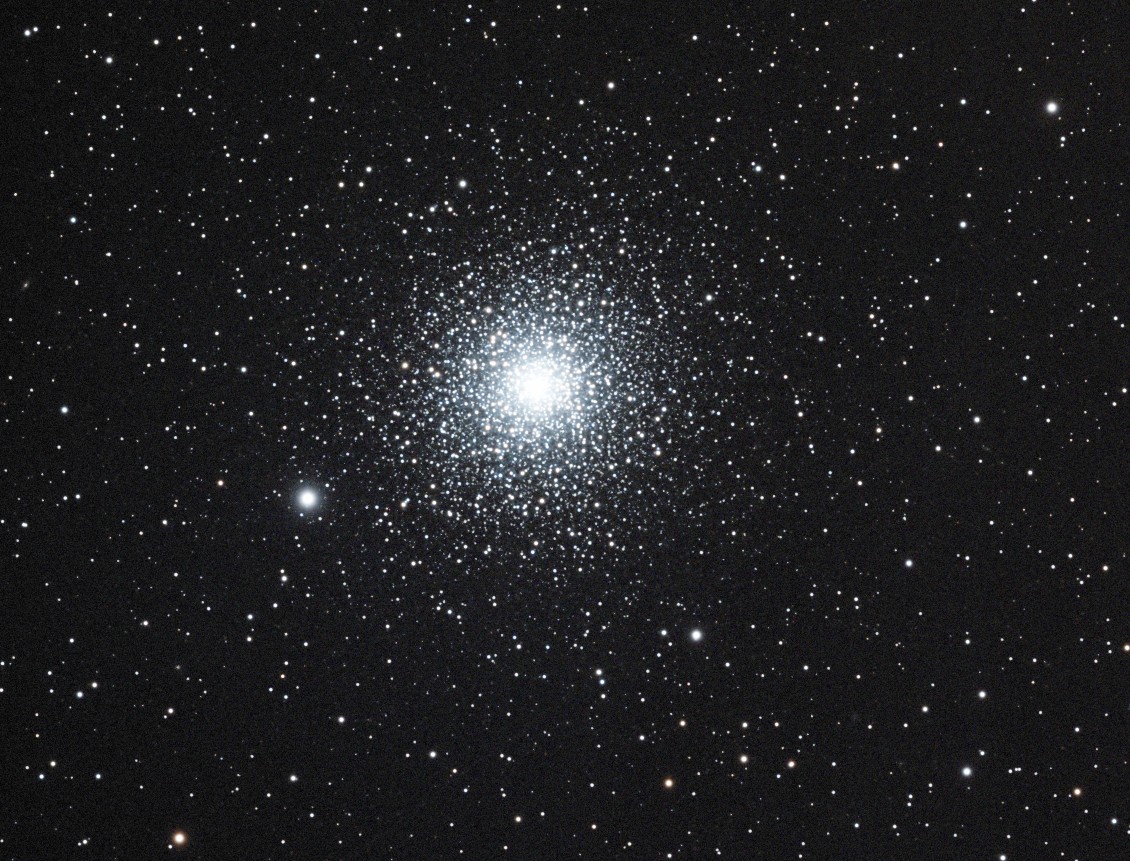
Messier 15, known as the Great Pegasus Cluster, is a globular star cluster located 32,620 light-years away in the constellation Pegasus. The cluster contains more than 100,000 stars.
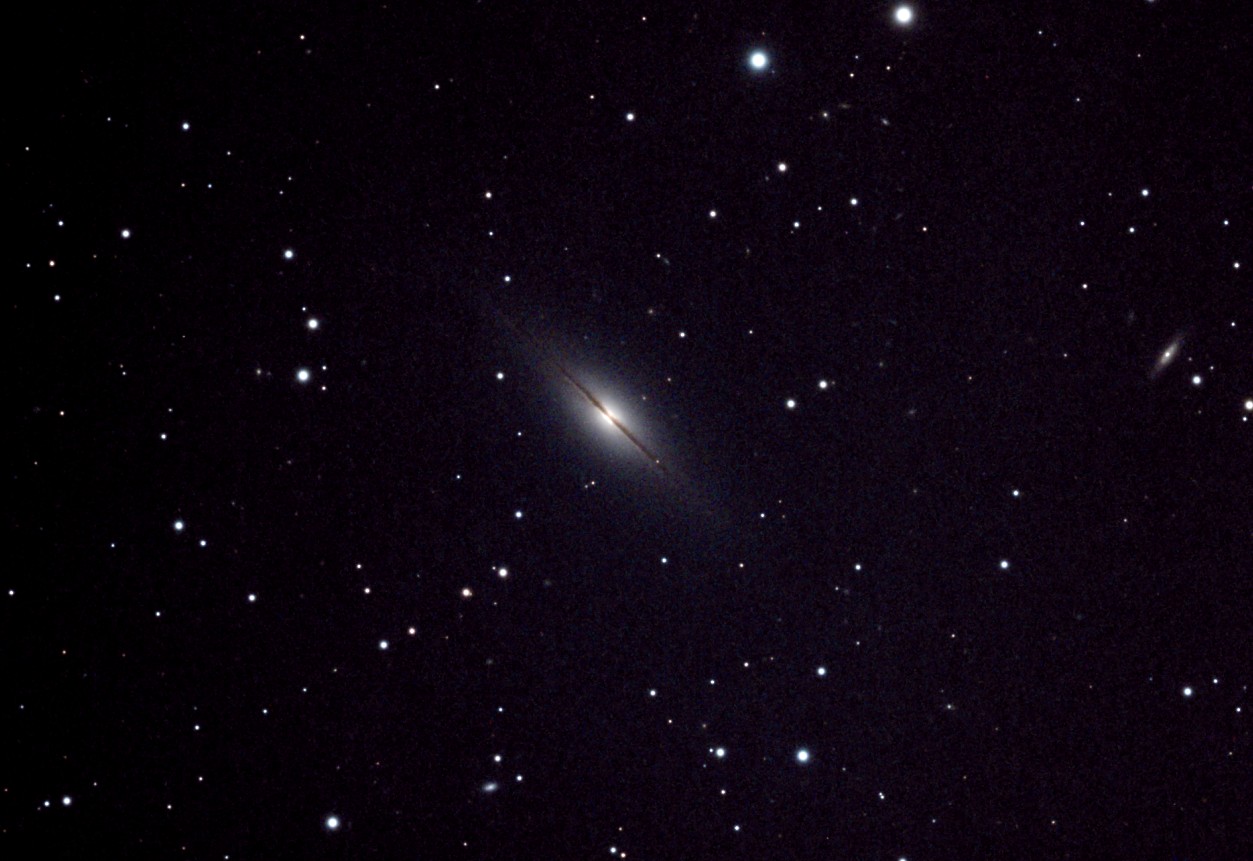
NGC7814, known as the Little Sombrero Galaxy, is a spiral galaxy about 40 million light-years away in the constellation Pegasus.
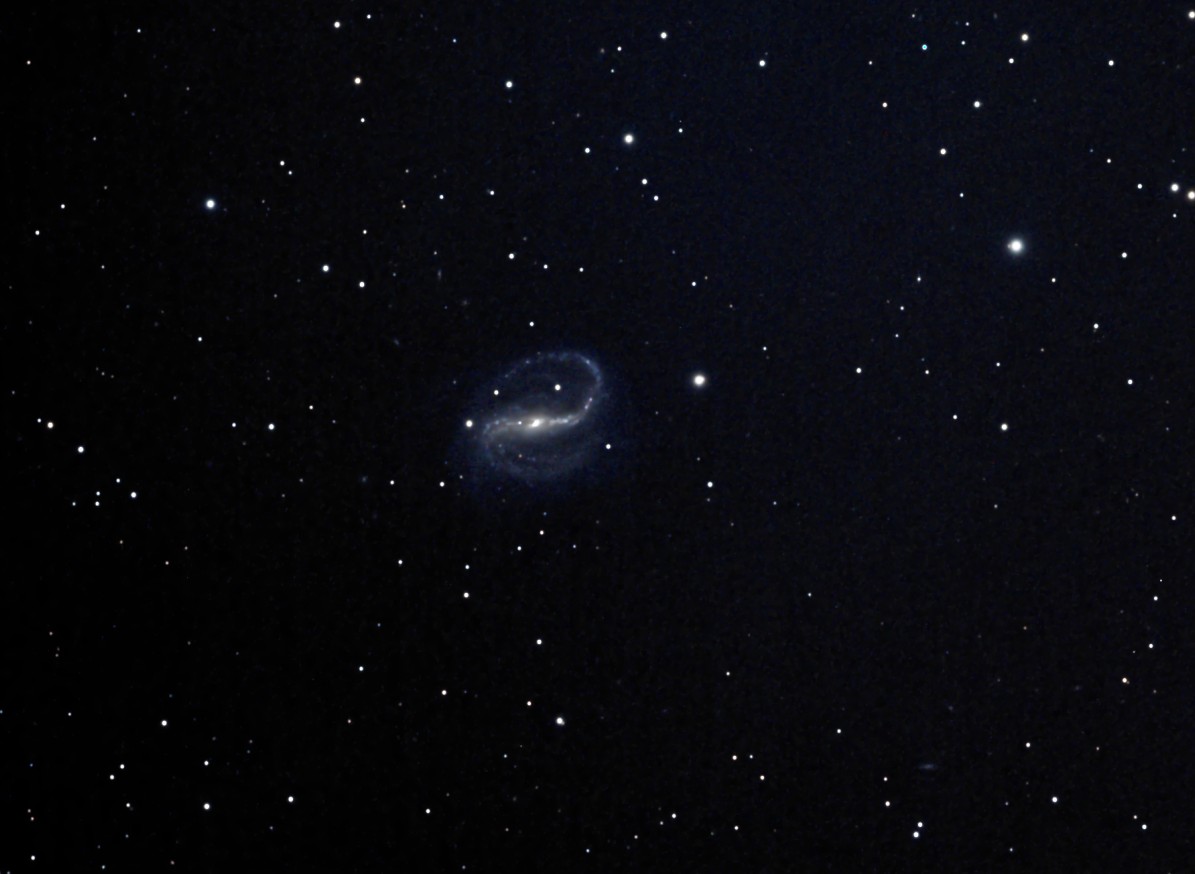
NGC7479, known as the Superman Galaxy, is a barred spiral galaxy about 105 million light-years away in the constellation Pegasus.
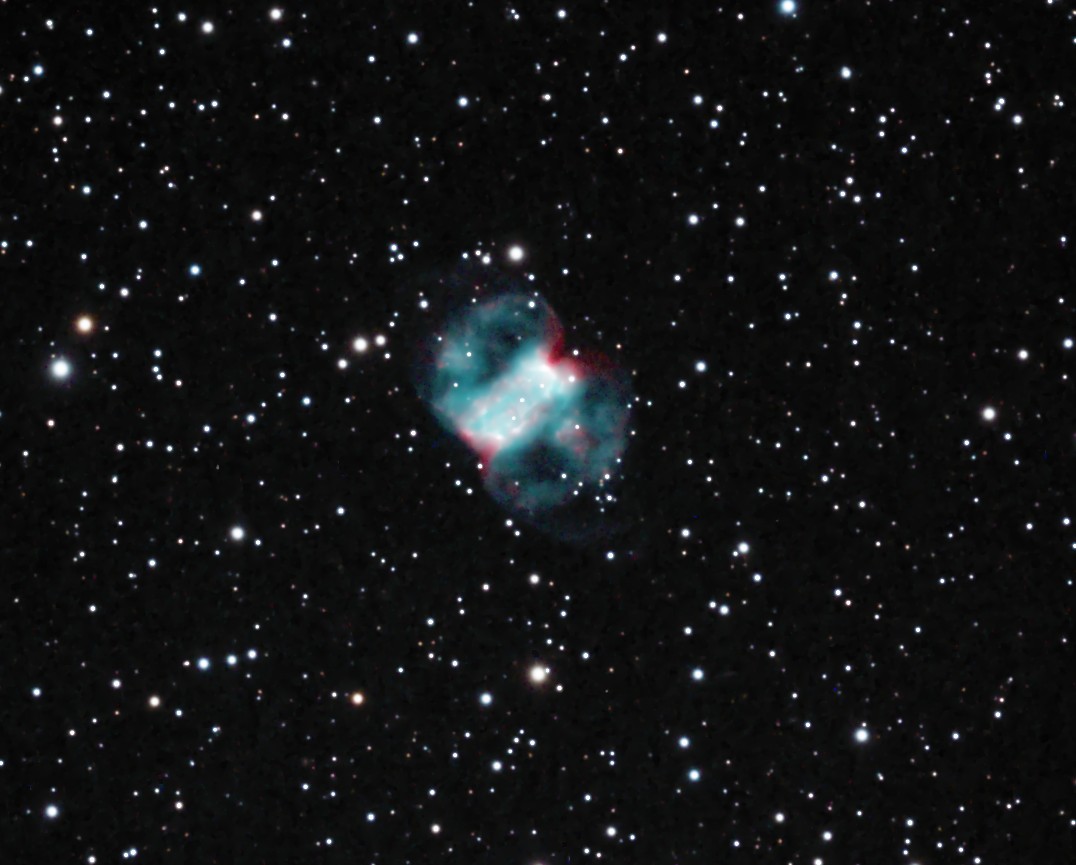
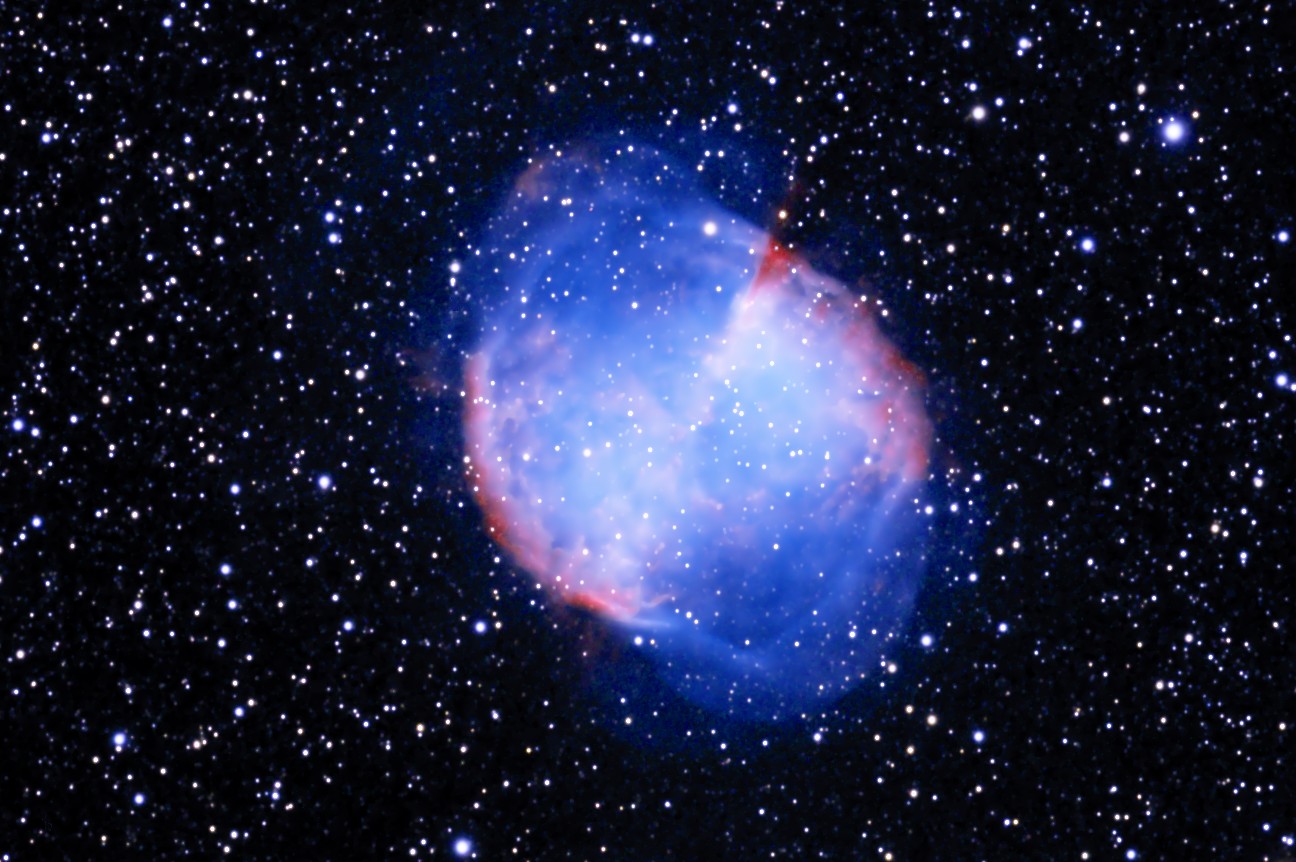
Messier 76, known as the Little Dumbbell Nebula is a planetary nebula located in the constellation Perseus. It is located about 2,500 light-years away.
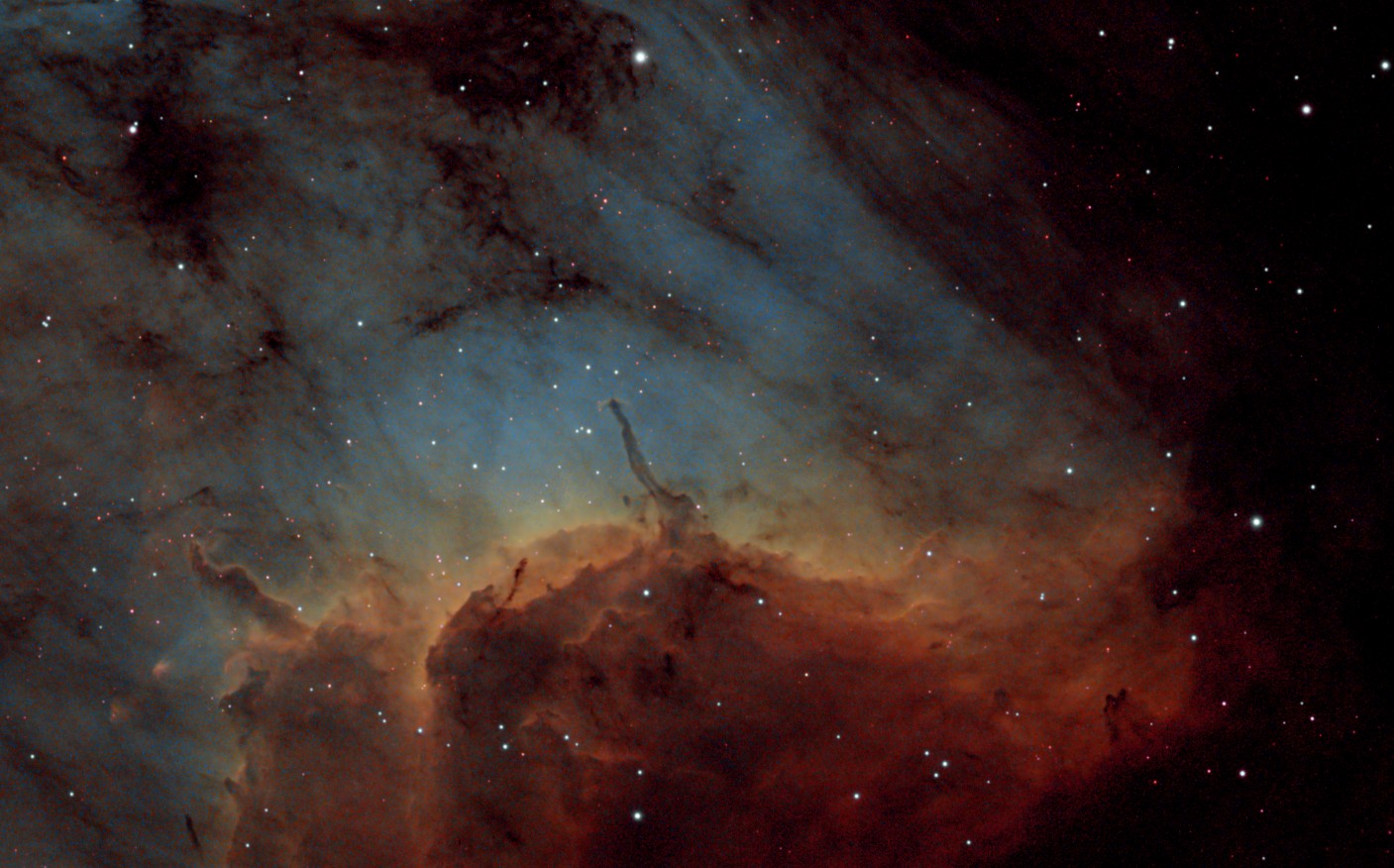
IC5070, known as the The Pelican Nebula, is an H II region associated with the North America Nebula in the constellation of Cygnus. The Pelican Nebula contains an active mix of star formation and evolving gas clouds. The primary star of interest in the Pelican Nebula is Herbig-Haro Object 555 (HH 555), a bipolar jet of gas ejected by a young, newborn star. It is located about 1,800 light-years away.
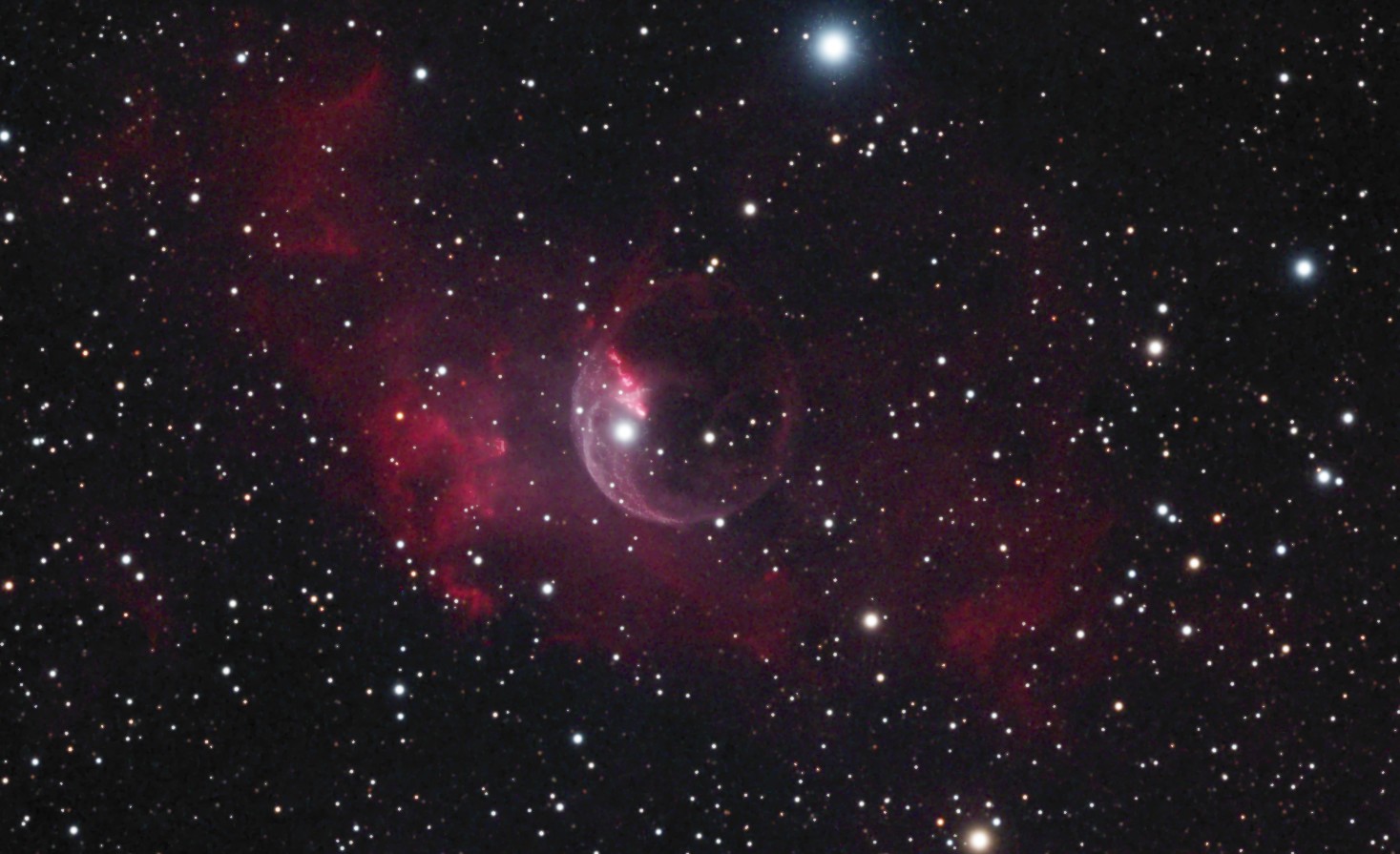
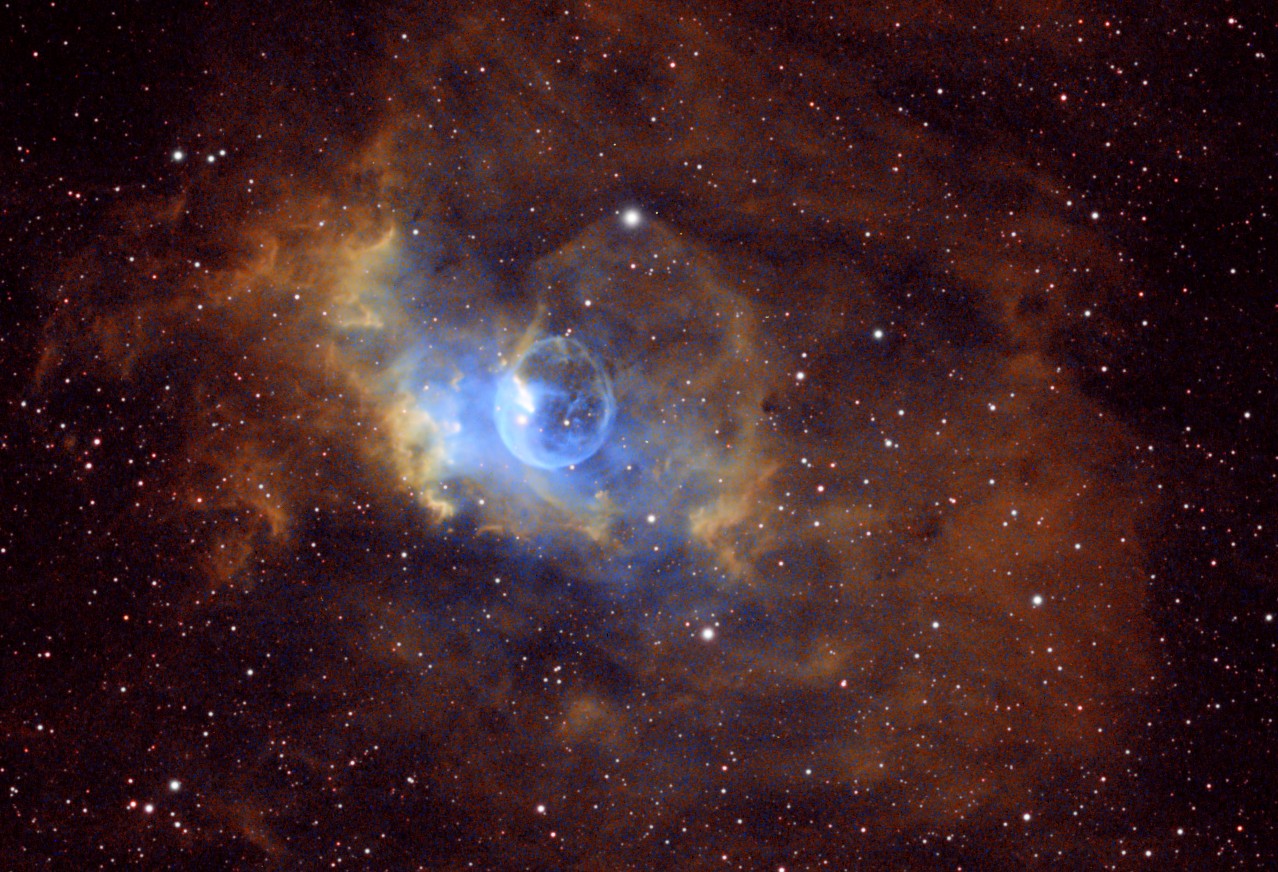
NGC7635, known as the Bubble Nebula, is an emission nebula located in the constellation Cassiopeia. It is located about 11,090 light-years away.
NGC7635, known as the Bubble Nebula. This image of the nebula and was taken in three narrow band wavelengths of light known as the Hubble Color Palette.
IC5146, known as the Cacoon Nebula, is a reflection/emission nebula and Caldwell object in the constellation Cygnus. It is located about 4000 light-years away.
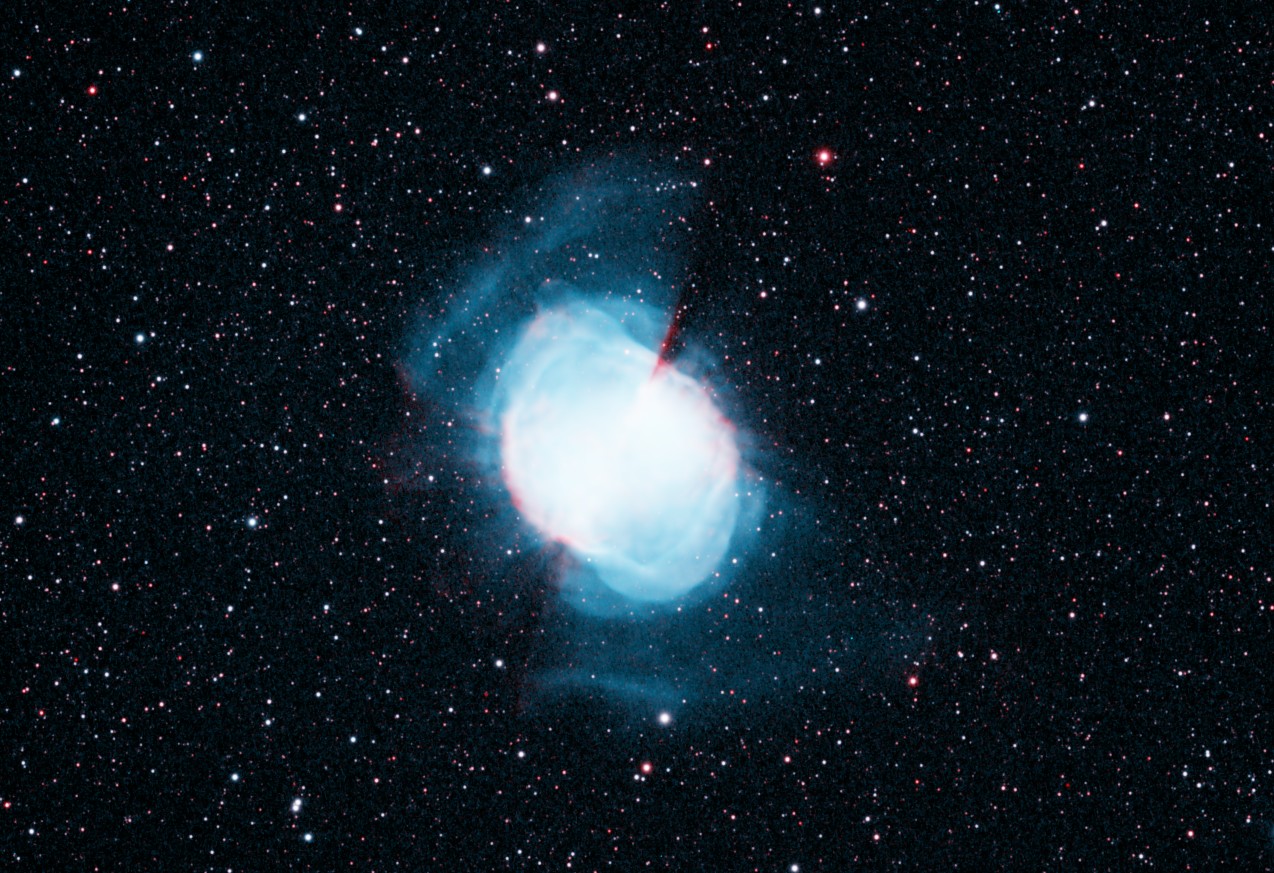
Messier 27, known as the Dumbbell Nebula, is a planetary nebula in the constellation Vulpecula. The nebulosity of M27 surrounds a white dwarf type star. It is located about 1360 light-years away.
Messier 27, this image of the Dumbbell Nebula was taken with narrow band Ha, OIII and SII filters.
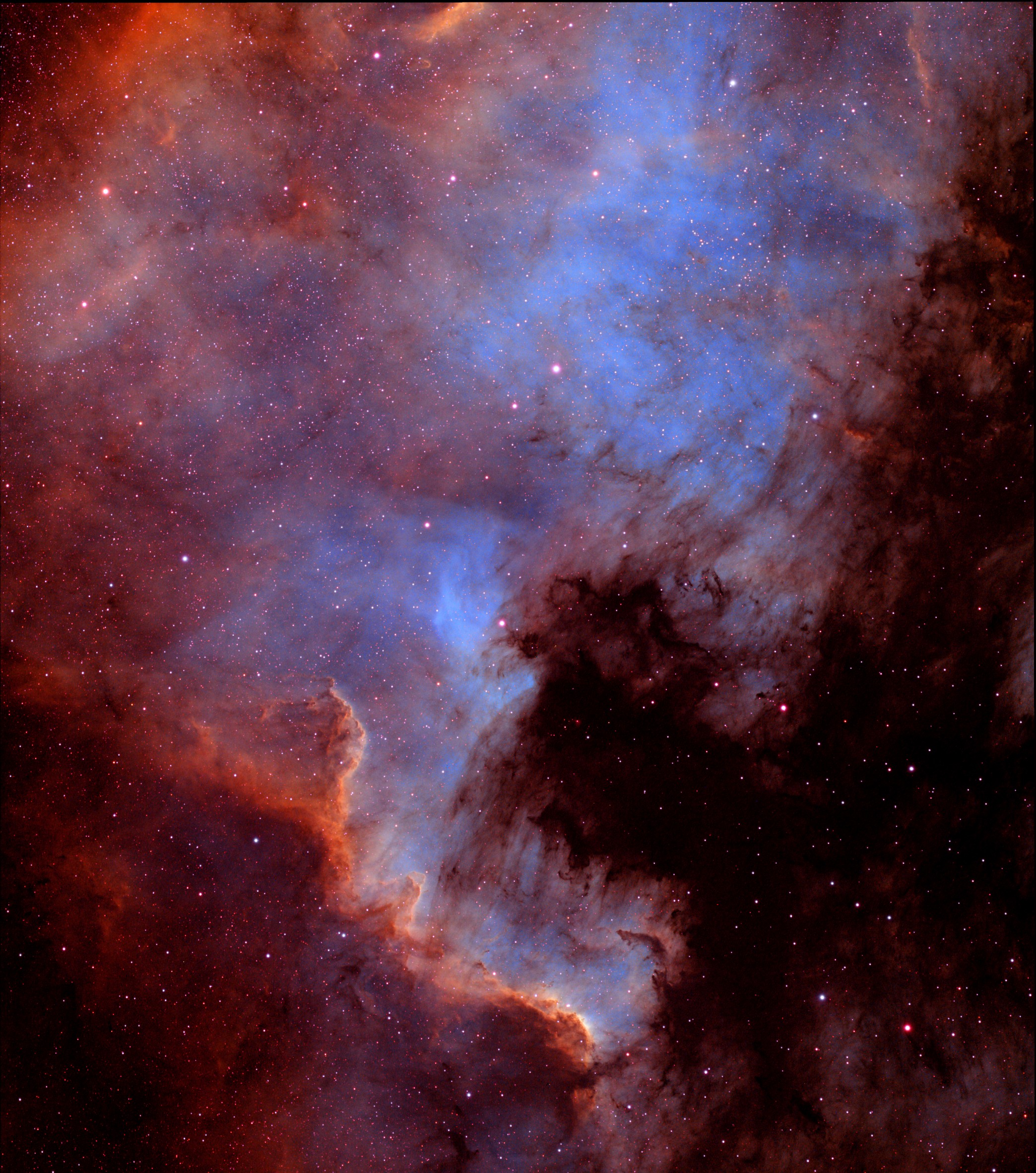
NGC7000, known as the North American Nebula, is a emission nebula located 2202 light-years away in the constellation Cygnus.
Messier 57, known as the Ring Nebula, is a planetary nebula located 2283 light-years away in the constellation Lyra.
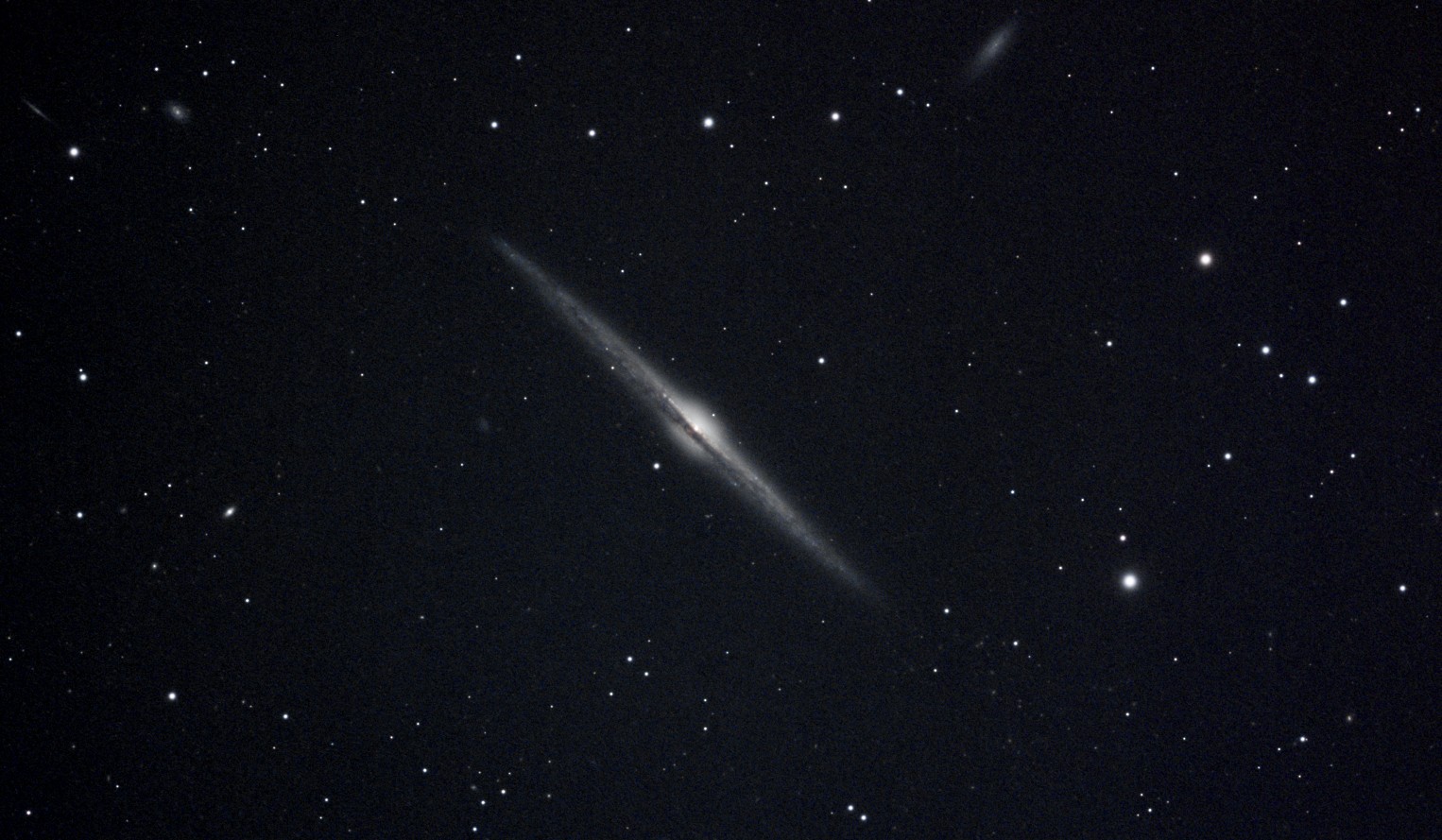
NGC4565, known as the Needle Galaxy, is an edge-on spiral galaxy about 38.5 million light-years away in the constellation Coma Berenices.
Messier 51, known as the Whirlpool Galaxy, is a spiral galaxy located 31 million light-years away in the constellation Canes Venatici.
Messier 109 is a barred spiral galaxy located with a group of galaxies
known as the Ursa Major cloud. This group is located about 55 million light-years away in the constellation Ursa Major.
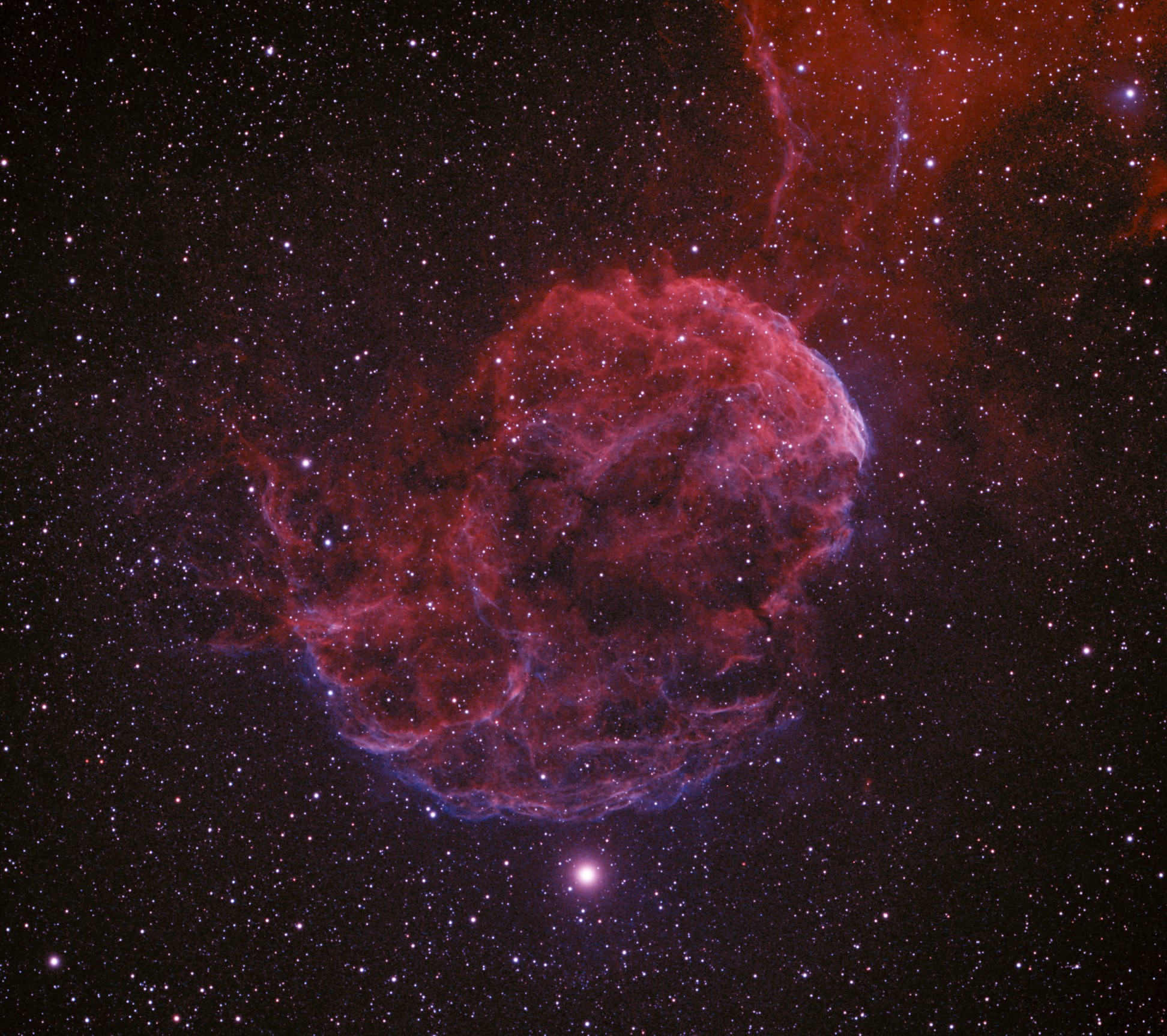
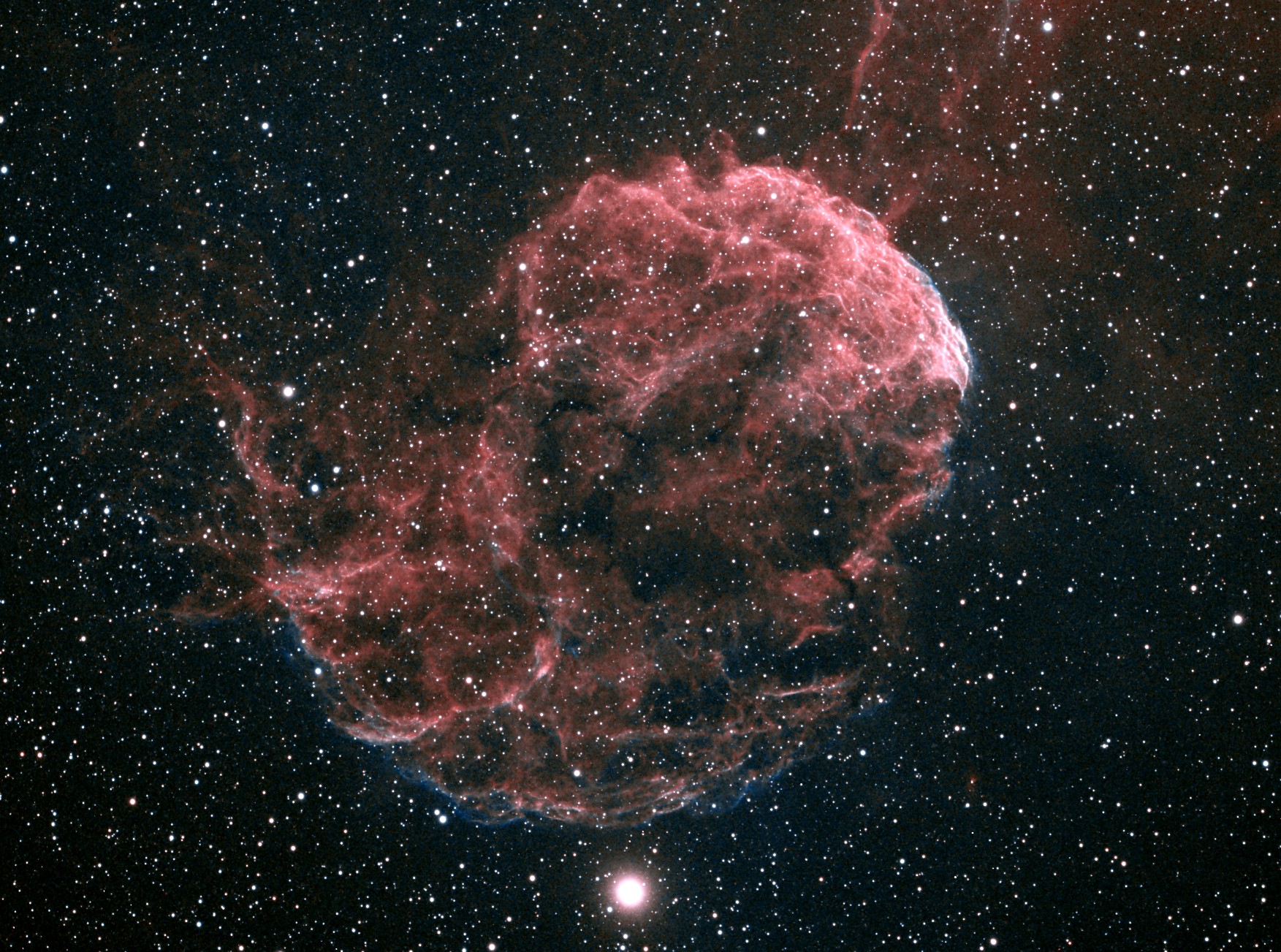
IC443, known as the Jellyfish Nebula, is a supernova remnant located approximately 5000 light-years away in the constellation Gemini.
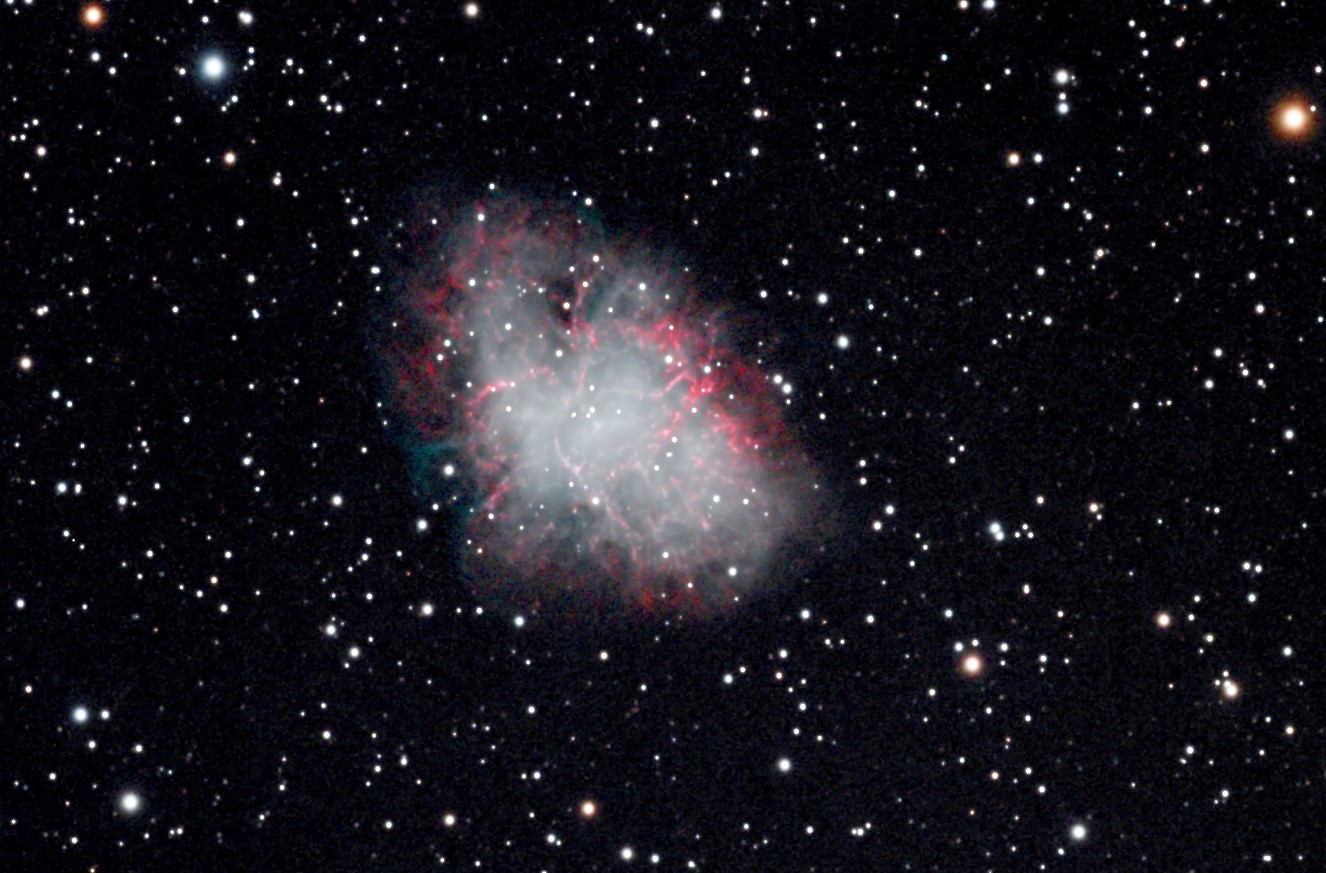
Messier 1, known as the Crab Nebula, is a supernova remnant and pulsar wind nebula located 6500 light-years away in the constellation Taurus.
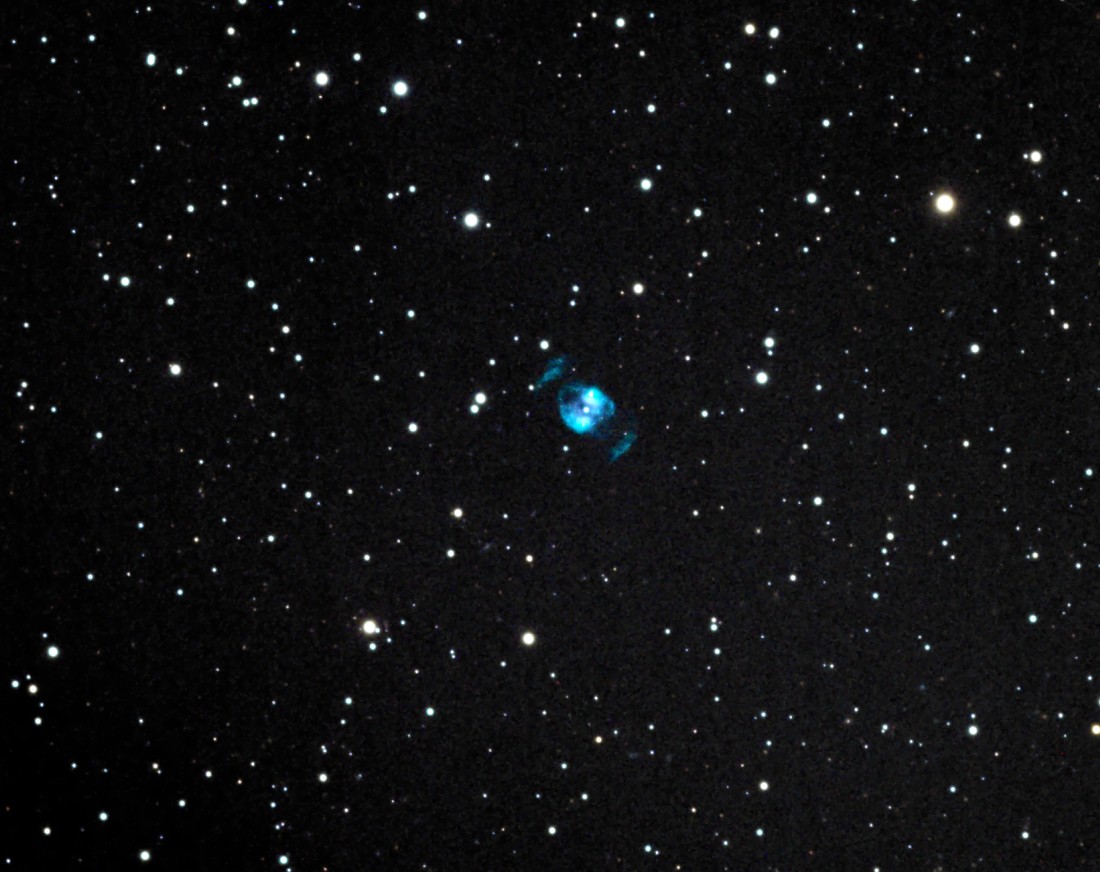
NGC2371, known as the Peanut Nebula, is a dual lobed planetary nebula located 4300 light-years away in the constellation Gemini. Visually, it appears like it could be two separate objects.
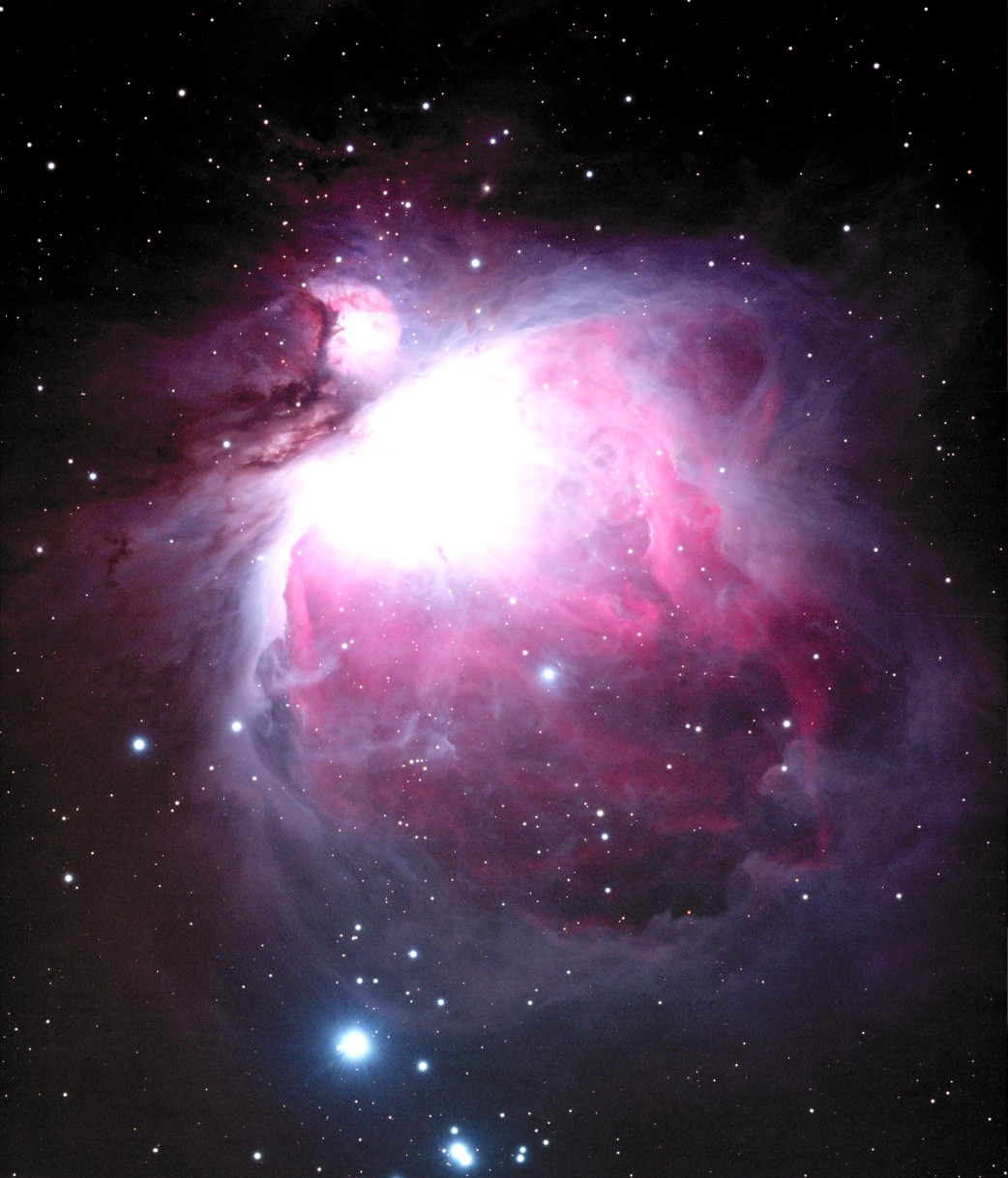
Messier 42, known as the Orion Nebula, is an diffuse nebula in the Milky Way that is located 12 light-years away in the constellation Orion.
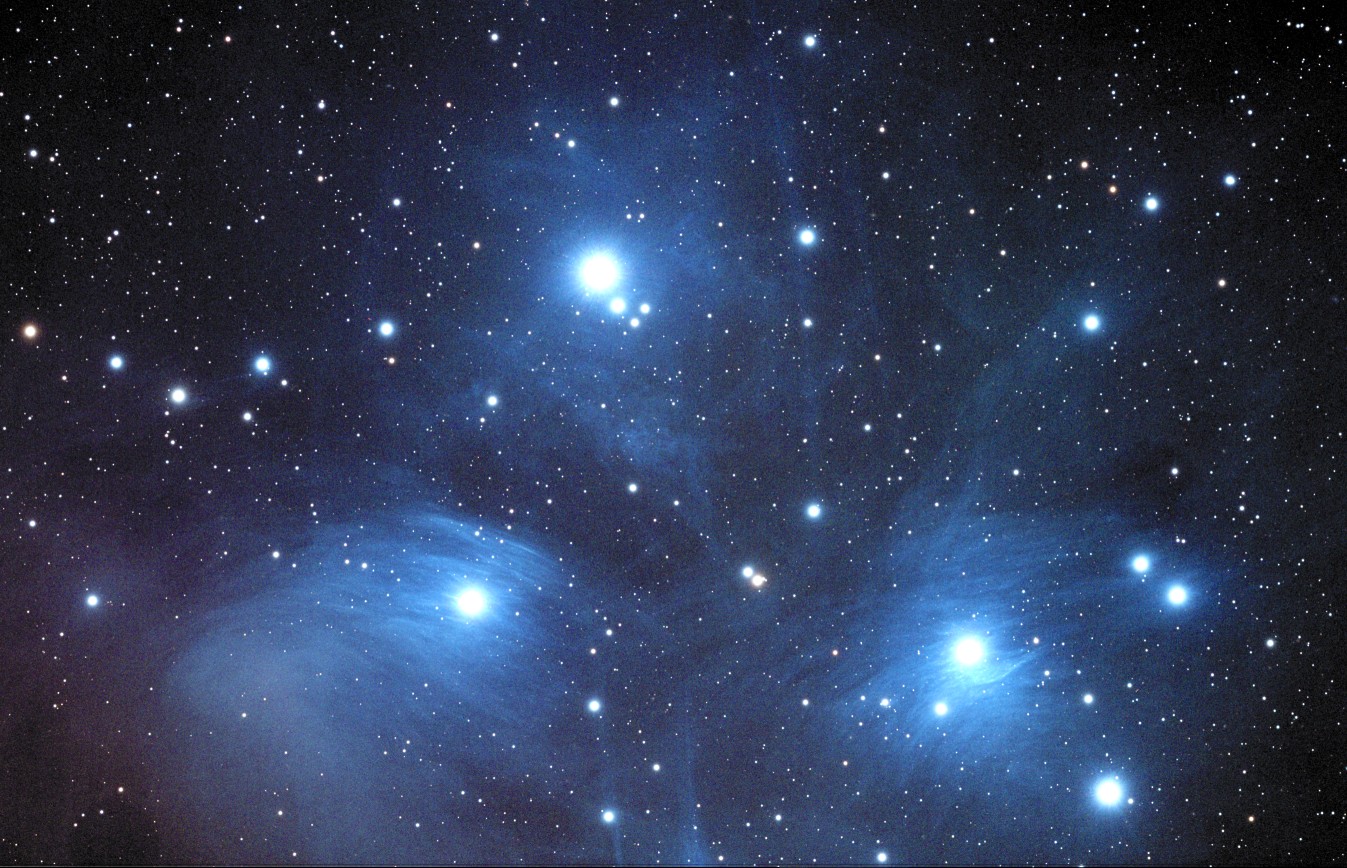
Messier 45, known as the Pleiades and also known as the Seven Sisters, is an open star cluster located 444 light-years away in the constellation Taurus.
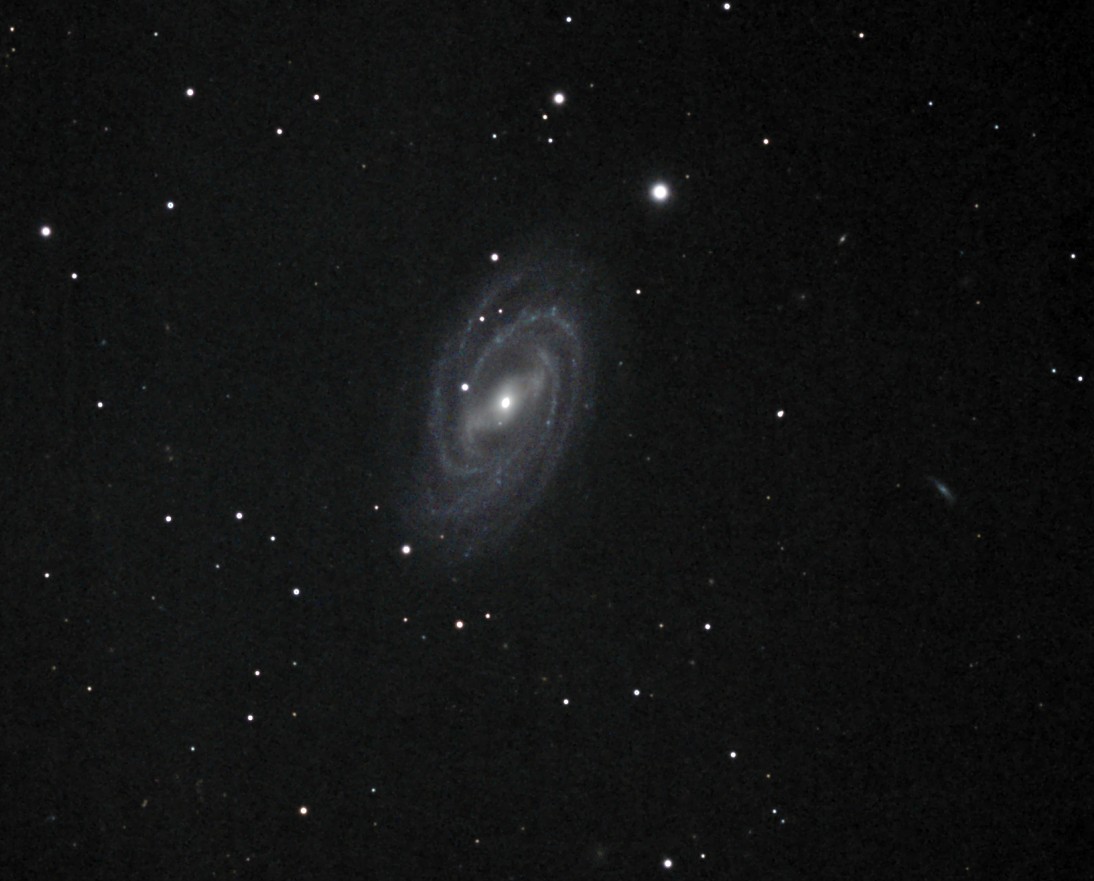
Messier 81, known as the Bode's Galaxy, is field grand design spiral galaxy located around 12 million light-years away in the constellation Ursa Major.
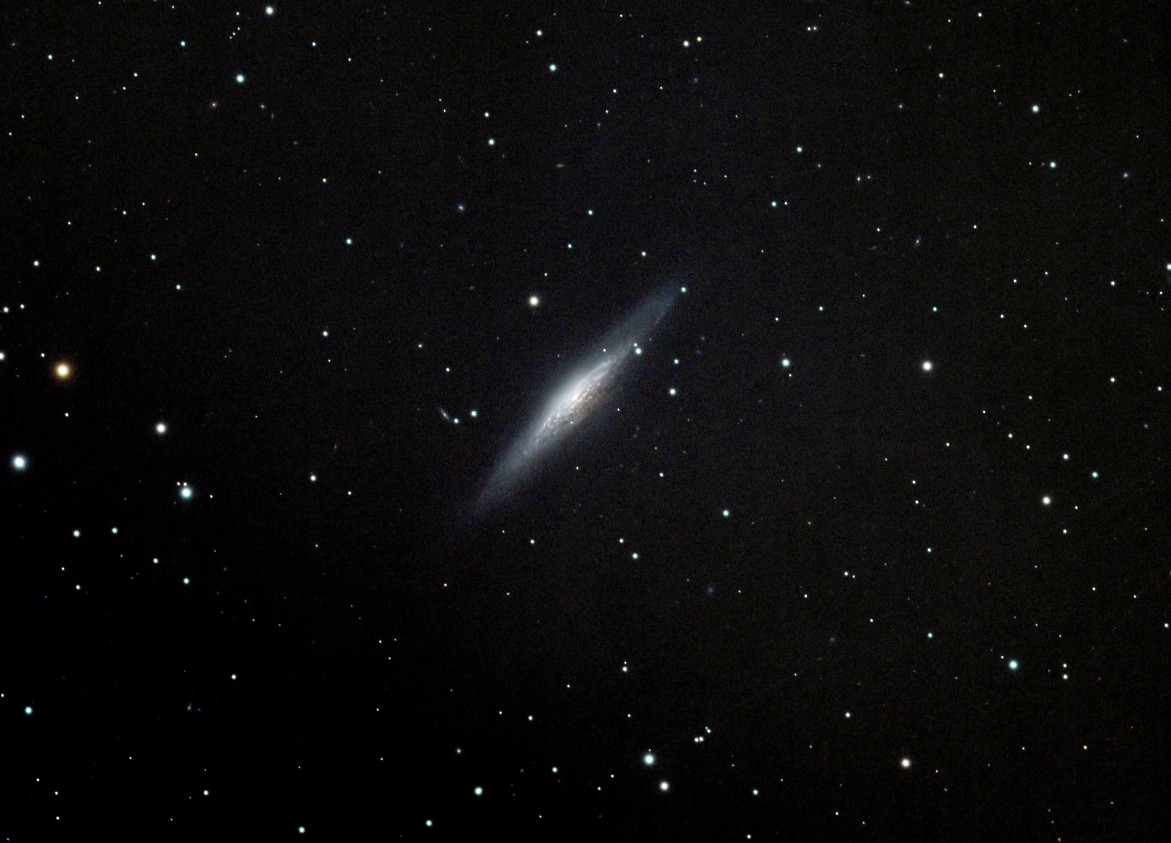
NGC2683, known as the UFO Galaxy, is field spiral galaxy located around 25 million light-years away in the northern constellation Lynx.
IC2177, known as the Seagull Nebula, is a diffuse nebula located approximately 3700 light-years away in the constellations of Monoceros and Canis Major. The Seagull Nebula appears to resemble a bird with outstretched wings. This image of the nebula and was taken in three narrow band wavelengths of light known as the Hubble Color Palette.
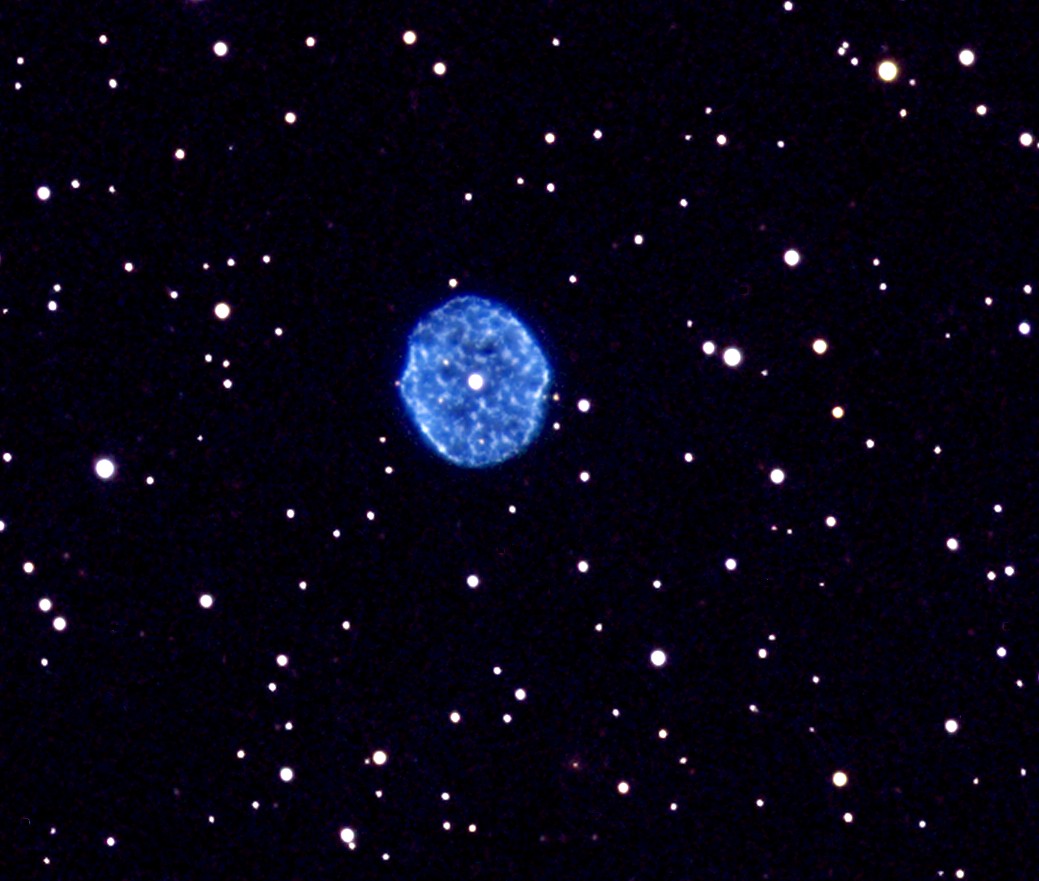
NGC1514, known as the Crystal Ball Nebula, is a planetary nebula located approximately 2000 light-years away in the constellation Taurus and highlighted by an outer shell that is expanding from a pair of tightly orbiting binary stars.
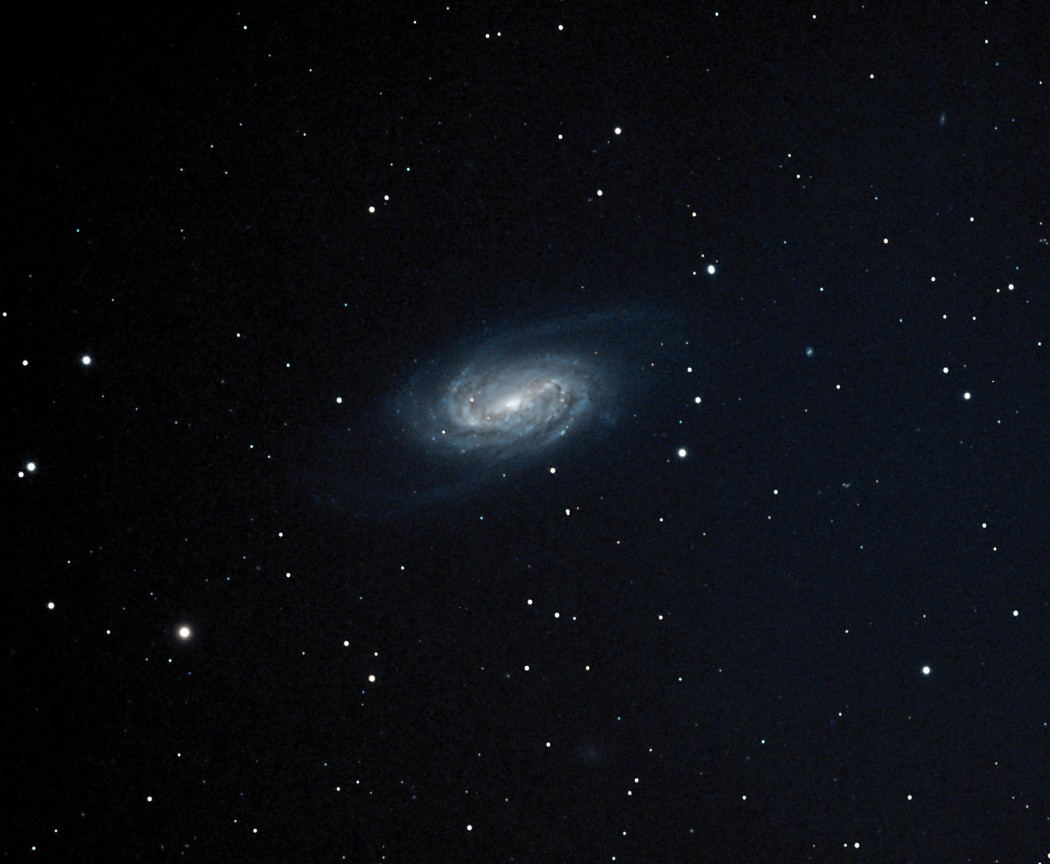
NGC2903 is an isolated barred spiral galaxy located around 25 million light-years
away in the equatorial constellation of Leo.
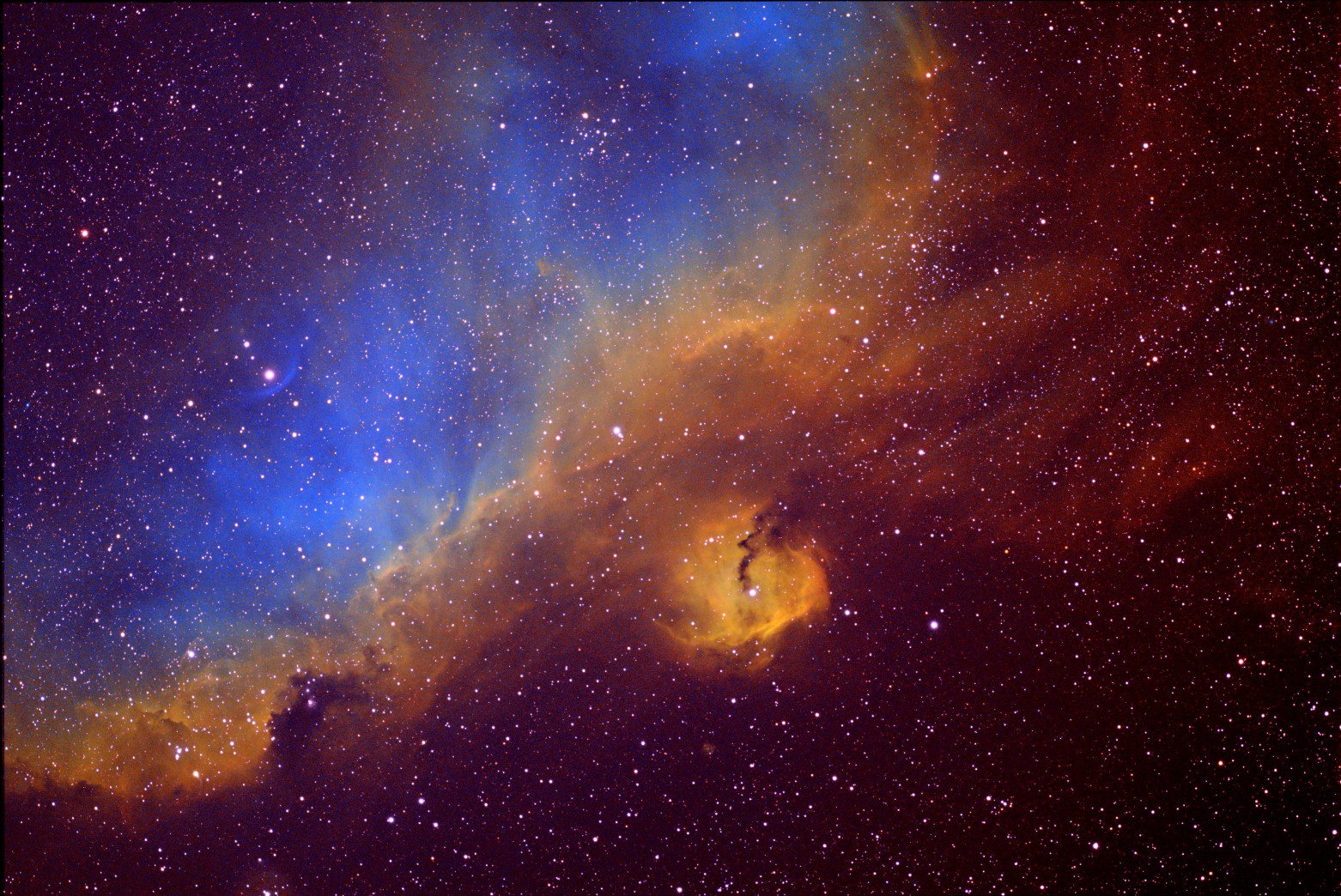
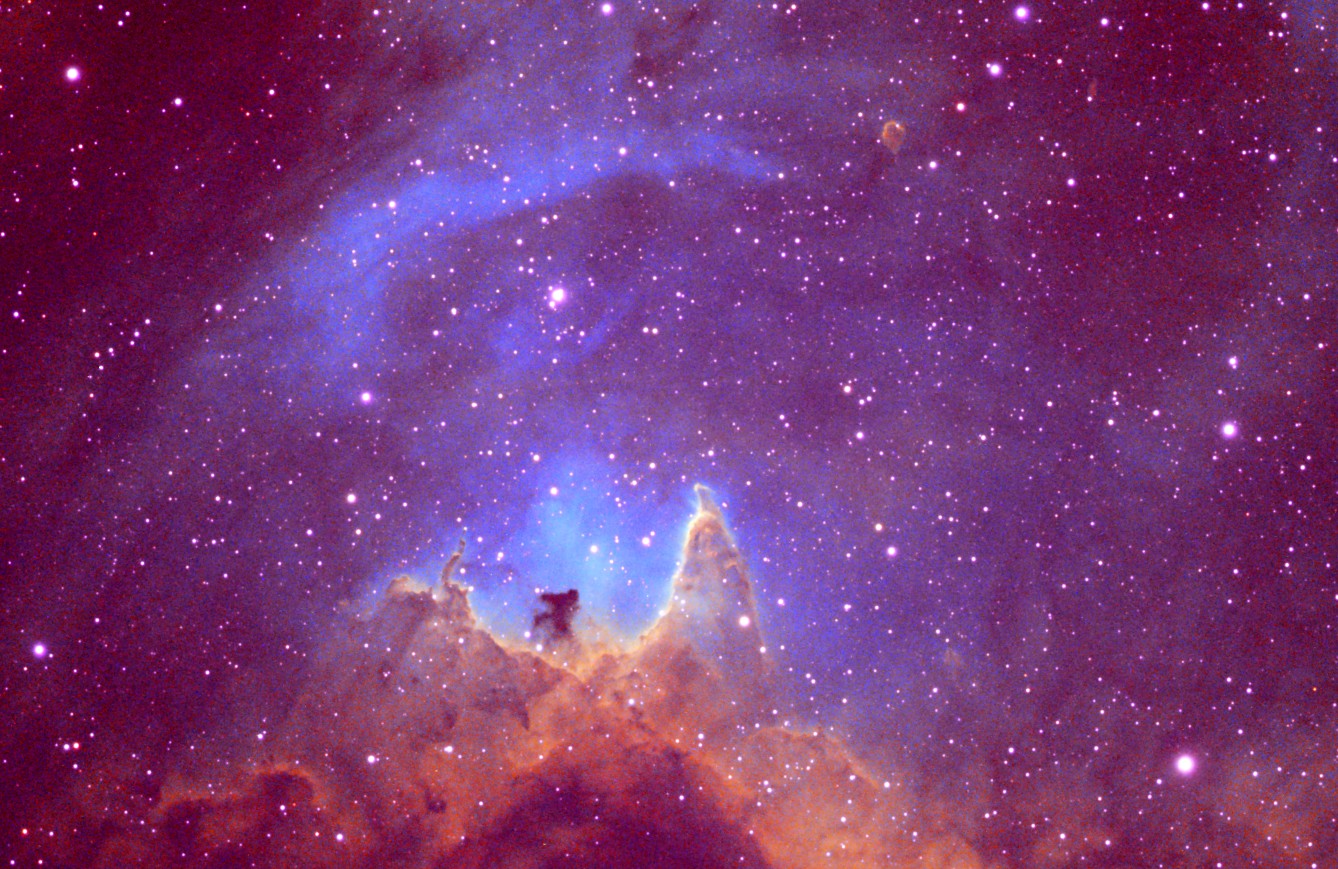
IC1848, known as the Soul Nebula, is is an emission nebula located 6500 light-years away in the constellation Cassiopeia. This image is of a portion of the nebula and was taken in three narrow band wavelengths of light known as the Hubble Color Palette
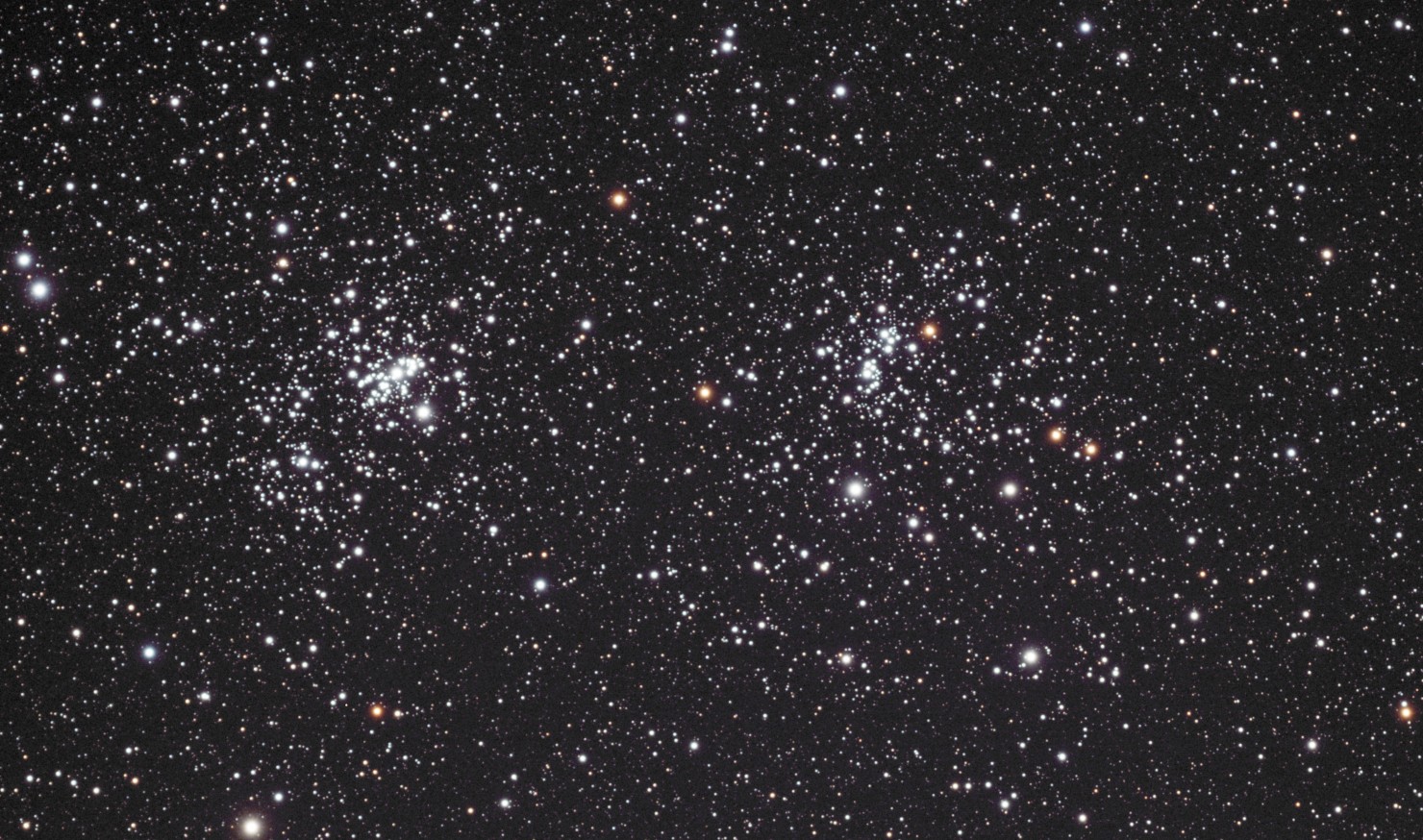
NGC869 and 884, known as the Douple Cluster, are two bright open cluster located 7460 light-years away in the constellation Perseus. The clusters are about 14 million years old.
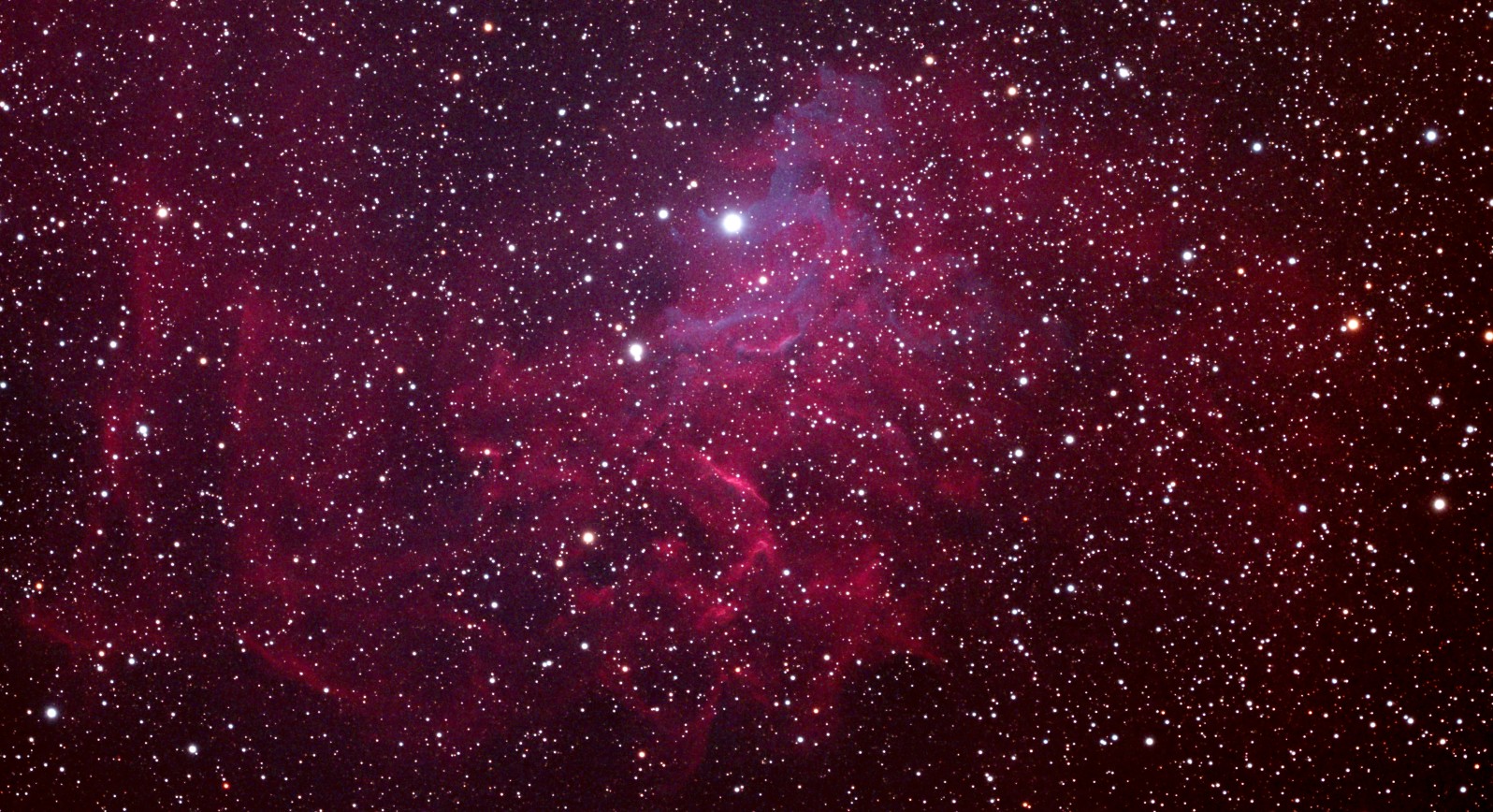
IC405, known as the Flaming Star Nebula, is an emission and reflection nebula located approximately 1500 light-years away in the constellation Auriga.
IC443, known as the Jellyfish Nebula, is a supernova remnant located approximately 5000 light-years away in the constellation Gemini.
NGC5101, known as the Oyster Nebula, is a complex planetary nebula located approximately 2000 light-years away in the constellation Camelopardalis (the Giraffe).
E-mail: robertprice10 at
verizon.net
all images copyrighted (c) Robert C. Price